
Independent Biological Age Test Guidance
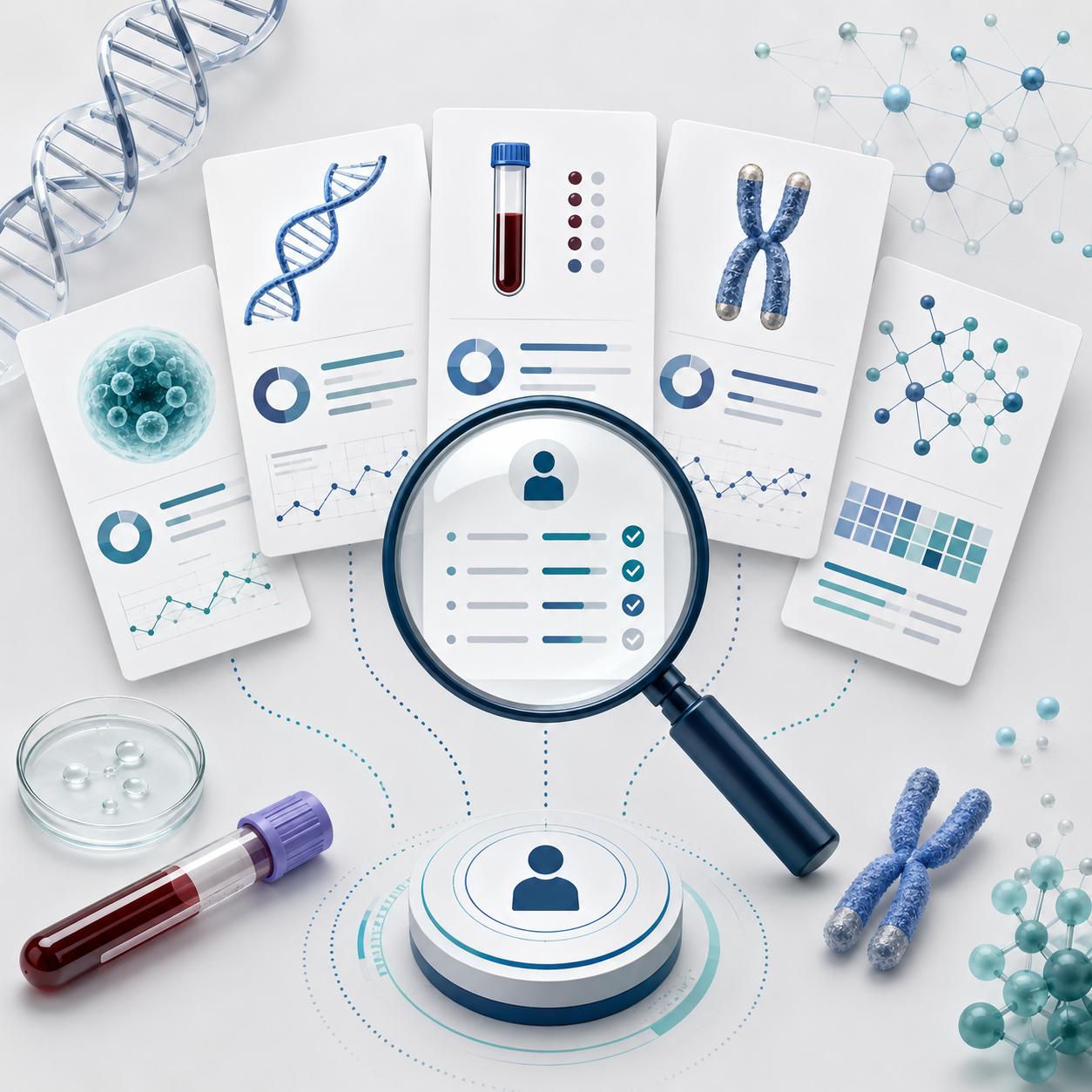
Too Many Tests. Too Little Independent Guidance.
Genetic, epigenetic, blood-based, telomere, proteomic, and multi-omics tests do not measure the same thing. Each company naturally promotes its own approach, making it difficult to understand which test is actually relevant to your goals.
I provide independent scientific guidance to help you compare available options, avoid unnecessary or overlapping testing, understand what each test can realistically tell you, and decide whether testing is worthwhile at all.

How I Can Help
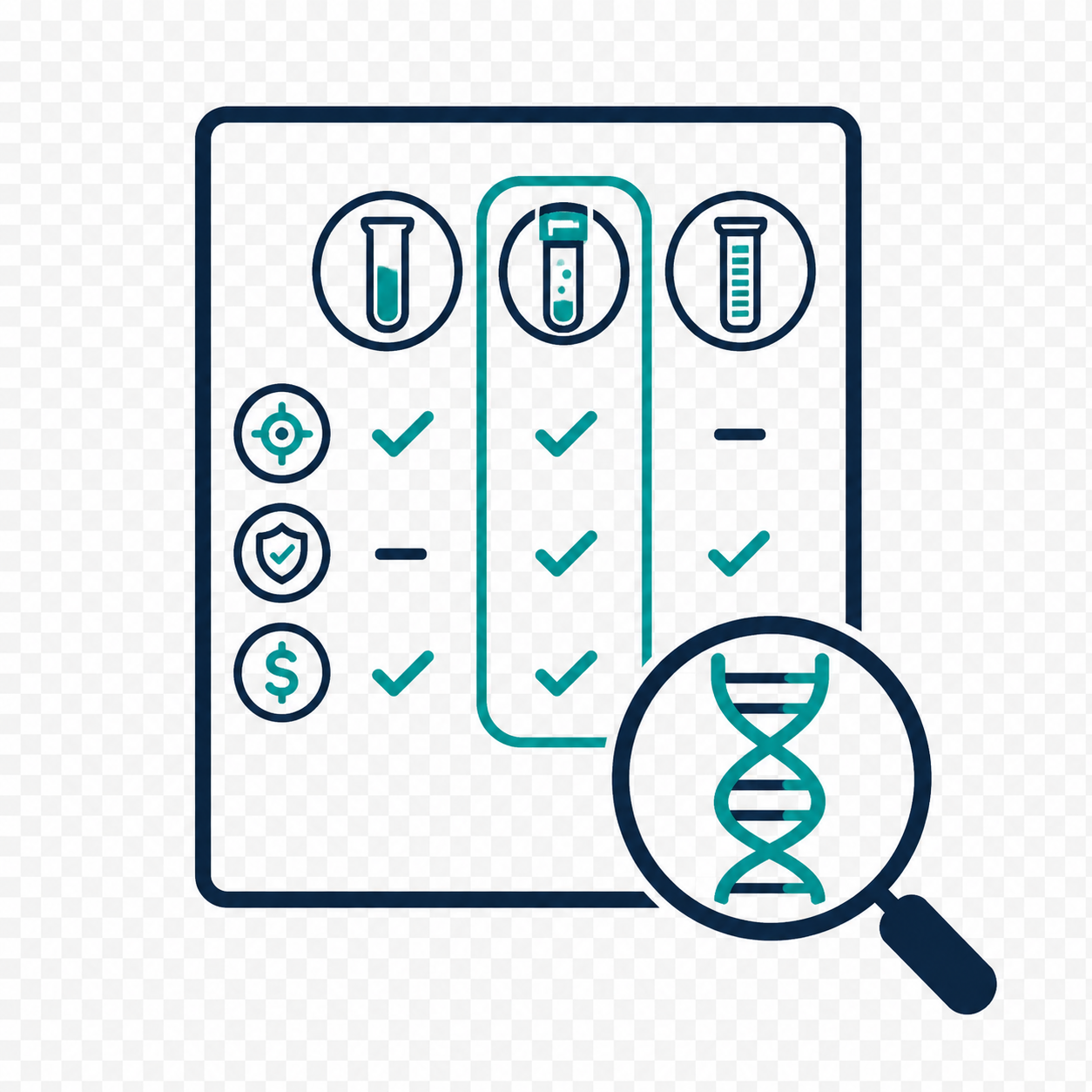
Before You Buy a Test
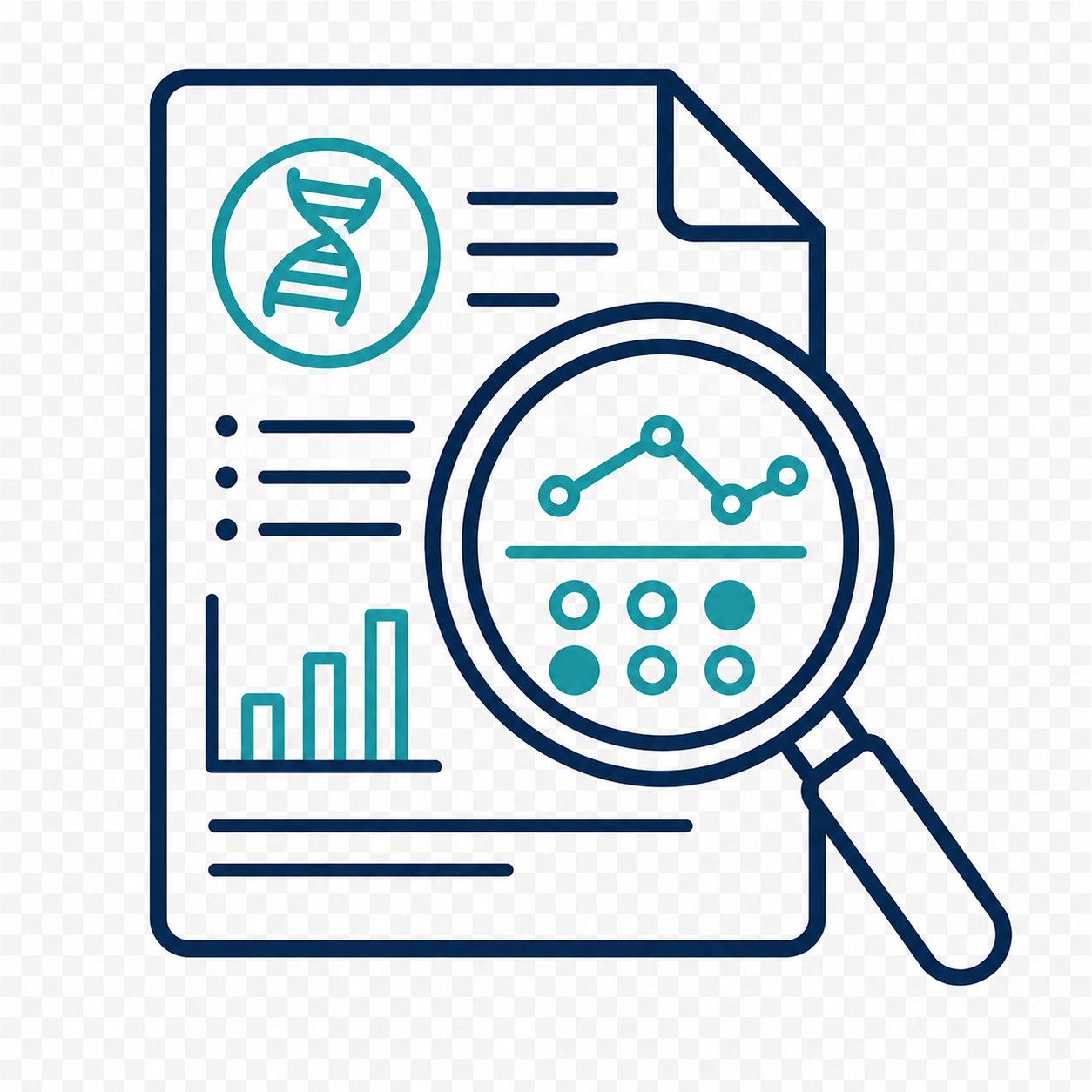
Independent Results Review
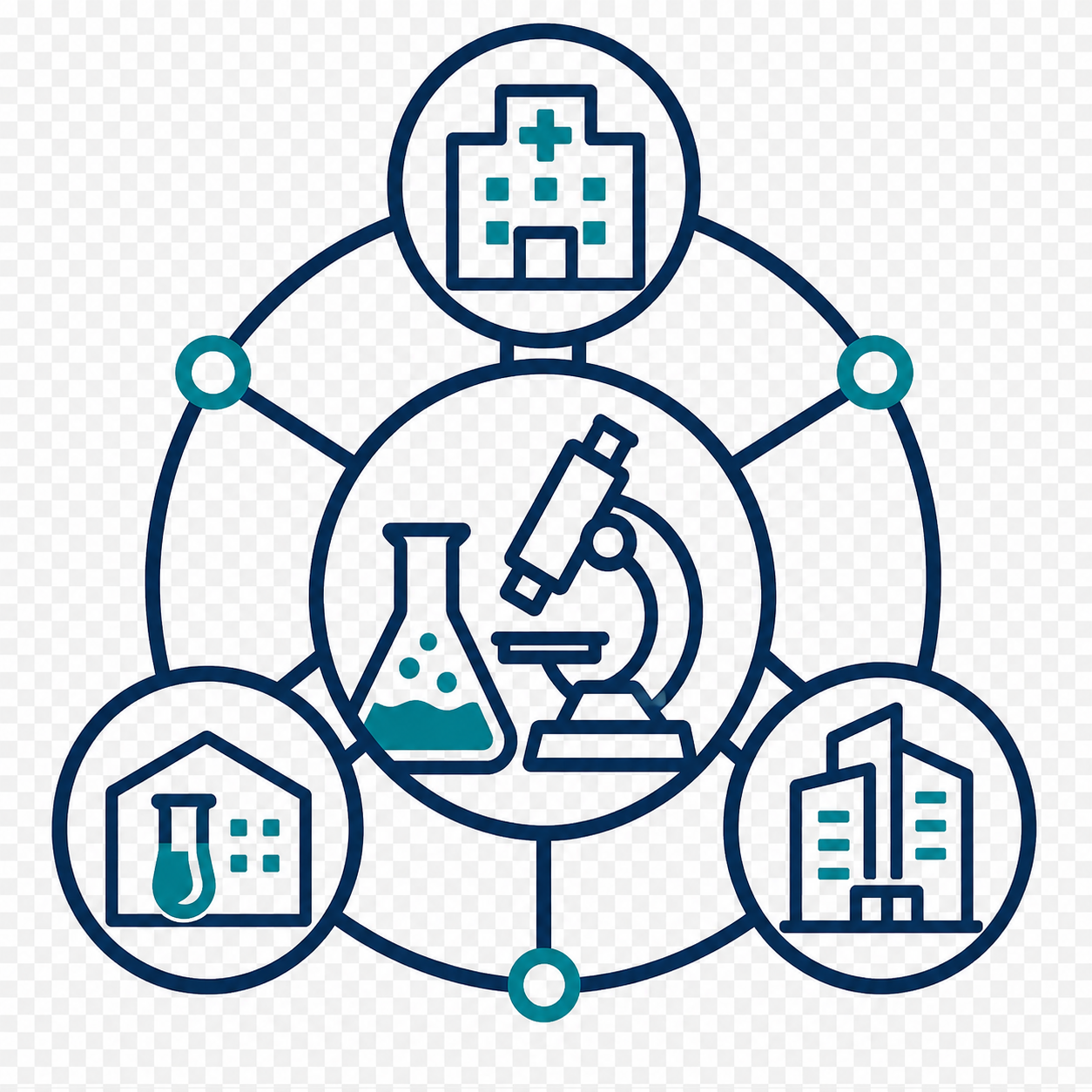
For Clinics and Companies
 Book a Consultation
 Why Independent Guidance Matters

Independent, Product-Neutral Advice

Avoid Unnecessary Spending

Understand What the Test Really Measures

Expert Guidance in Epigenetics
Consultation Options

Frequently Asked Questions
There is no single best test for everyone. The appropriate choice depends on what you want to learn, the biomarkers being measured, the sample type, the scientific evidence, and how the result will be used. An independent consultation can help determine which approach is relevant to your goals.
Genetic tests primarily examine inherited DNA variants, which generally remain unchanged throughout life. Epigenetic tests evaluate chemical patterns associated with gene regulation, such as DNA methylation, which may change with age, environment, health, and other factors. These tests answer different questions and should not be treated as interchangeable.
No. These approaches measure different biological features and may produce different estimates or interpretations. A result from one type of test cannot necessarily be directly compared with a result from another.
I can compare relevant options based on their scientific methodology, intended use, validation, limitations, sample requirements, and cost. Recommendations are independent and are not based on referral commissions or relationships with testing companies.
Yes. I can provide an independent scientific review explaining what was measured, how the reported result should be understood, the limitations of the method, and which conclusions are or are not supported by the available data.
No. This service provides scientific and educational guidance. It does not provide medical diagnosis, treatment recommendations, or individualized medical care. Medical concerns should be discussed with a qualified healthcare professional.
Depending on the consultation, you may provide the name or website of the test you are considering, your goals for testing, or a copy of your existing report. Please remove identifying medical information unless it is essential to the scientific review.