
Insights


Epigenomics AG was established in 1998 by Dr. Alexander Olik to create novel molecular diagnostic techniques based on DNA methylation to detect cancer. The business grew in 2000 when it merged with ORCA Biosciences, a U.S.-based company that specializes in cancer detection via DNA methylation. Through this merger, Epigenomics was able to improve its knowledge of cancer biomarker diagnostics and fortify its position in the US market.
From Epi proColon to Epi proLung: The Evolution of Epigenomics’ Diagnostic Technologies
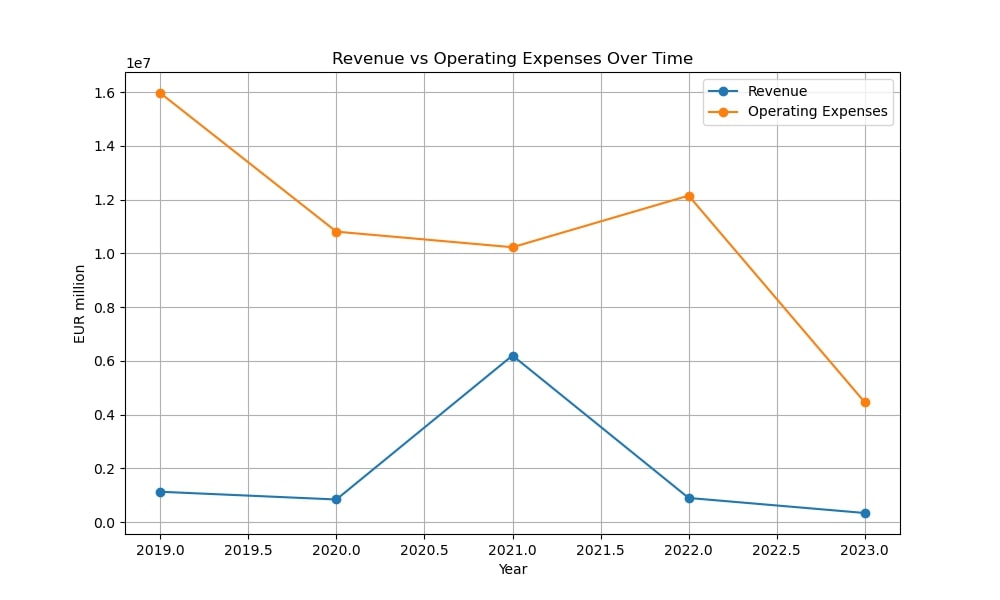
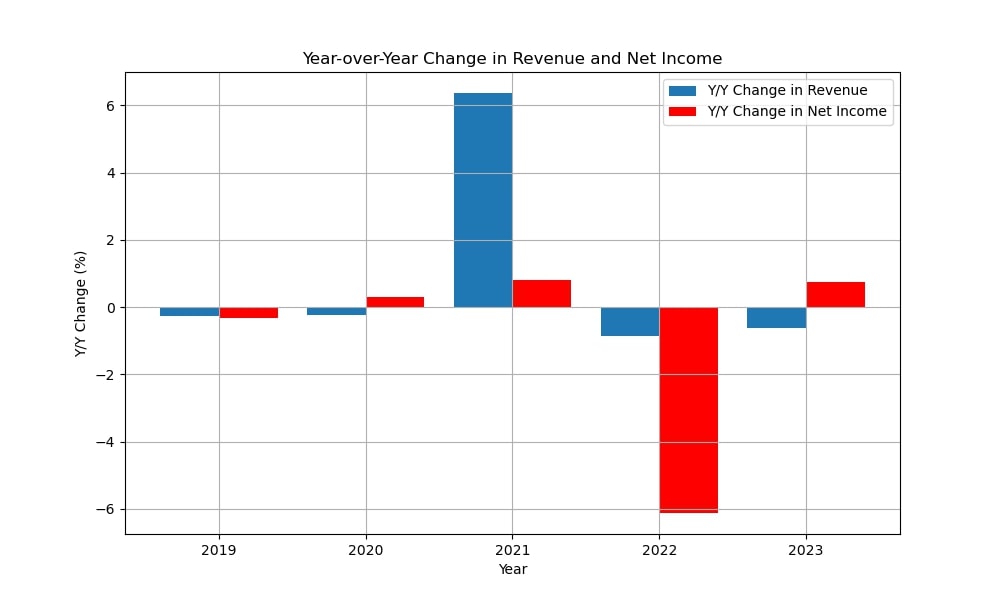
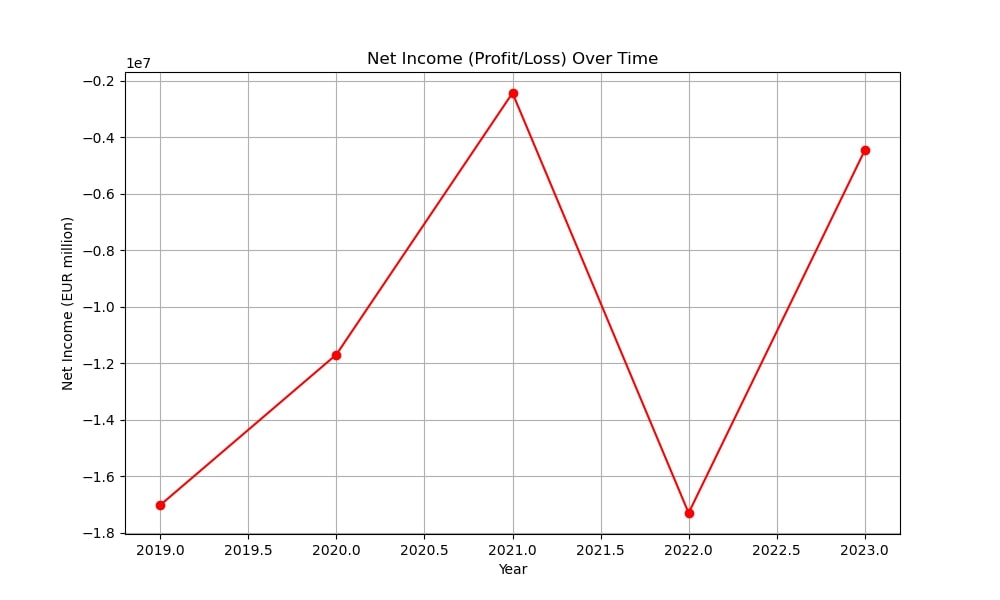
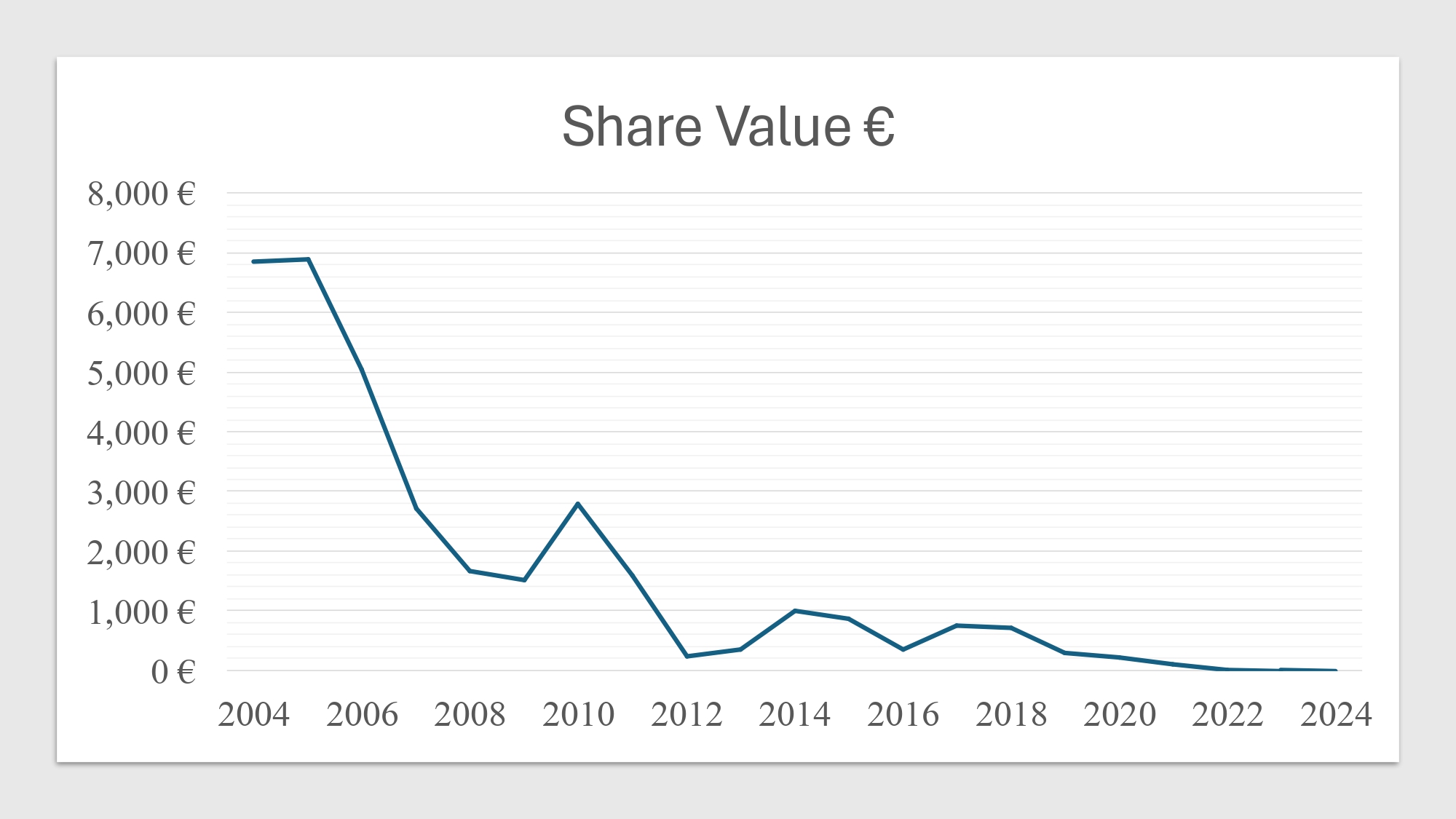


The biotech sector has been awash in the news lately, with companies shutting down, venture capitalists becoming increasingly cautious, and the overall market mood looking subdued. But as the saying goes, the darkest night is just before the dawn. And in 2024, there are signs that the sector may finally be starting to recover from its long decline.
An article in Nature Biotechnology titled “Funding Biotech: The Darkest Hour Before the Dawn” discusses the challenges the industry has faced over the past three years and points to emerging trends for recovery.
Three Years of Decline: Why Is Biotech in Crisis?
The biotech sector’s situation began to deteriorate back in 2021 when the COVID-19 boom ended. At that time, biotech companies were literally swimming in cash, raising millions of dollars to develop new drugs and technologies. However, with the end of the pandemic, the funding dried up, and the market began to decline.
The problems were exacerbated by rising interest rates and cautious investors, who now prefer to invest in more stable and safe assets. The public company market is also not conducive to optimism: most biotech stock prices remain low, and new IPOs are almost non-existent.
Light at the End of the Tunnel: Signs of Recovery
Despite all the difficulties, 2024 has brought some positive signs. Large investment firms such as Flagship Pioneering and Foresite Capital have started to create new biotech funds. Successful IPOs such as CNS-focused Rapport Therapeutics have raised significant funds and shown that investors are starting to pay attention to biotech companies again.
In addition, investors are focusing on late-stage projects that can already boast of early clinical results. This helps such companies to raise large sums and make deals with large pharma manufacturers.
The article highlights that the average size of funding rounds has increased over the past six months: venture capitalists prefer to invest in more mature companies with proven teams and interesting developments. This leads to the fact that one successful startup can raise tens of millions of dollars, while less successful projects are forced to close or seek funds on less favourable terms.
New Trends: What Attracts Investors?
In the current environment, investors are actively investing in several hot areas. Among them:
- Immunotherapy and anticancer drugs: Companies working on the creation of antibody-drug conjugates (ADC), radioisotope therapies and drugs for the treatment of oncological diseases remain in the focus of large pharmaceutical companies and venture capitalists.
- Technologies using artificial intelligence: Startups using AI and machine learning to develop new drugs and improve research are also attracting significant investments. For example, in April 2024, Xaira Therapeutics raised $1 billion in early-stage funding.
- Chinese Biotech: Despite political instability and tensions with Western countries, Chinese biotechs are becoming increasingly attractive to foreign investors. This is due to the high rate of innovation and relatively low valuations compared to Western companies.
European Companies: How to Survive in a Funding Shortage?
In Europe, the situation remains difficult. Local capital markets do not have the same depth as in the US, and the number of specialized venture capital funds is limited. As a result, many European startups are forced to either raise funds from public funds or seek strategic partners among corporations.
However, there are also positive examples. Companies like Asgard Therapeutics have managed to raise large funds thanks to the support of corporate venture funds and government programs. European companies are also gradually starting to attract American investors, especially in areas such as artificial intelligence and medical technology.
Is There Hope for an Upswing?
The biotech sector is certainly going through tough times. But, as in any cycle, there is growth after a downturn. If the positive trends continue in 2024 — growth in late-stage funding and the attention of large pharma companies — then biotech companies will be able to emerge from the crisis stronger and more adapted to the new reality.
The most important thing to remember is that even in the most difficult times, some projects and teams find opportunities for growth and development. And today’s situation is not the end but only a stage on the way to a new, more stable and healthy biotech sector.
Reference:
Senior, M. Biotech financing: darkest before the dawn. Nat Biotechnol 42, 1331–1338 (2024). https://doi.org/10.1038/s41587-024-02357-2

The biotech industry is rapidly evolving, with biomarkers emerging as one of the most promising areas of innovation. Biomarkers are measurable indicators of biological processes or responses to treatment. They are transforming how diseases are diagnosed, monitored, and treated. For investors, the growing field of biomarkers presents an exciting opportunity to be part of a revolution in personalized medicine. However, as with any investment in biotech, a strategic approach is essential to understand the challenges of this sector.
Biomarkers are critical tools in modern medicine. They can serve as indicators for a wide range of diseases, including cancer, cardiovascular diseases, and neurological disorders. Biomarkers can be used for early detection, predicting disease progression, and assessing the effectiveness of treatments. As the demand for personalized medicine increases, so does the importance of biomarkers in the biotech industry. Companies that specialize in the development of biomarkers are at the forefront of this shift towards more precise and individualized healthcare solutions.
Why Invest in Biomarker Biotech?
The global biomarkers market may reach 194.21 billion USD by 2030 according to Grand View Research. This growth is driven by advancements in genomics, epigenetics, proteomics, and bioinformatics. Investing in biotech companies that focus on biomarkers offers several advantages:
- Growing demand: As the medical field increasingly adopts personalized medicine, the demand for biomarkers will continue to rise, driving growth in this sector.
- Better patient outcomes: Biomarkers enable early diagnosis, which can lead to more effective treatments and better patient outcomes, making these companies attractive to healthcare providers and patients.
- Faster regulatory approvals: Regulatory agencies are increasingly recognizing the value of biomarkers, which can expedite the approval process for new therapies and diagnostics, reducing time to market.
There are many factors to consider before making an investment into biomarker-developing companies:
Key Considerations for Investors
- Technology platform: One of the most important factors is the technology platform that a biotech company uses to develop biomarkers. Advanced platforms that integrate genomics, epigenomics, proteomics, and bioinformatics are likely to lead the market.
- Pipeline diversity: A company with a broad range of biomarkers in development across multiple disease areas is less risky than one focused on a single application.
- Partnerships: Strong partnerships with research institutions that give credibility to the results can provide the necessary resources and expertise to bring biomarkers to market successfully.
- Regulatory experience: Understand the regulatory environment and the steps a company must take to get its biomarkers approved for clinical use. Companies with experience navigating this process are better positioned for success.
- Market demand: Focus on companies developing biomarkers for diseases with high unmet medical needs. These biomarkers are more likely to gain traction in the market and achieve commercial success.
Investing in biomarker biotech requires a deep understanding of the data that supports the development and validation of these indicators. Investors should closely examine clinical trial results, including sensitivity, specificity, and overall accuracy of the biomarkers. Additionally, understanding the competitive landscape and keeping an eye on emerging trends in personalized medicine can provide valuable context for making informed investment decisions.
Conclusion
Biomarkers represent the future of personalized medicine. They offer significant opportunities for investors who are willing to navigate the complexities of this field. By focusing on key factors such as technology platforms, pipeline diversity, and market need, and by leveraging detailed data analysis, investors can position themselves to capitalize on the growth of the biomarker sector. As the biotech industry continues to evolve, biomarkers will play a crucial role in shaping the future of healthcare, making this an area worth serious consideration for forward-thinking investors.
 Back
Back